
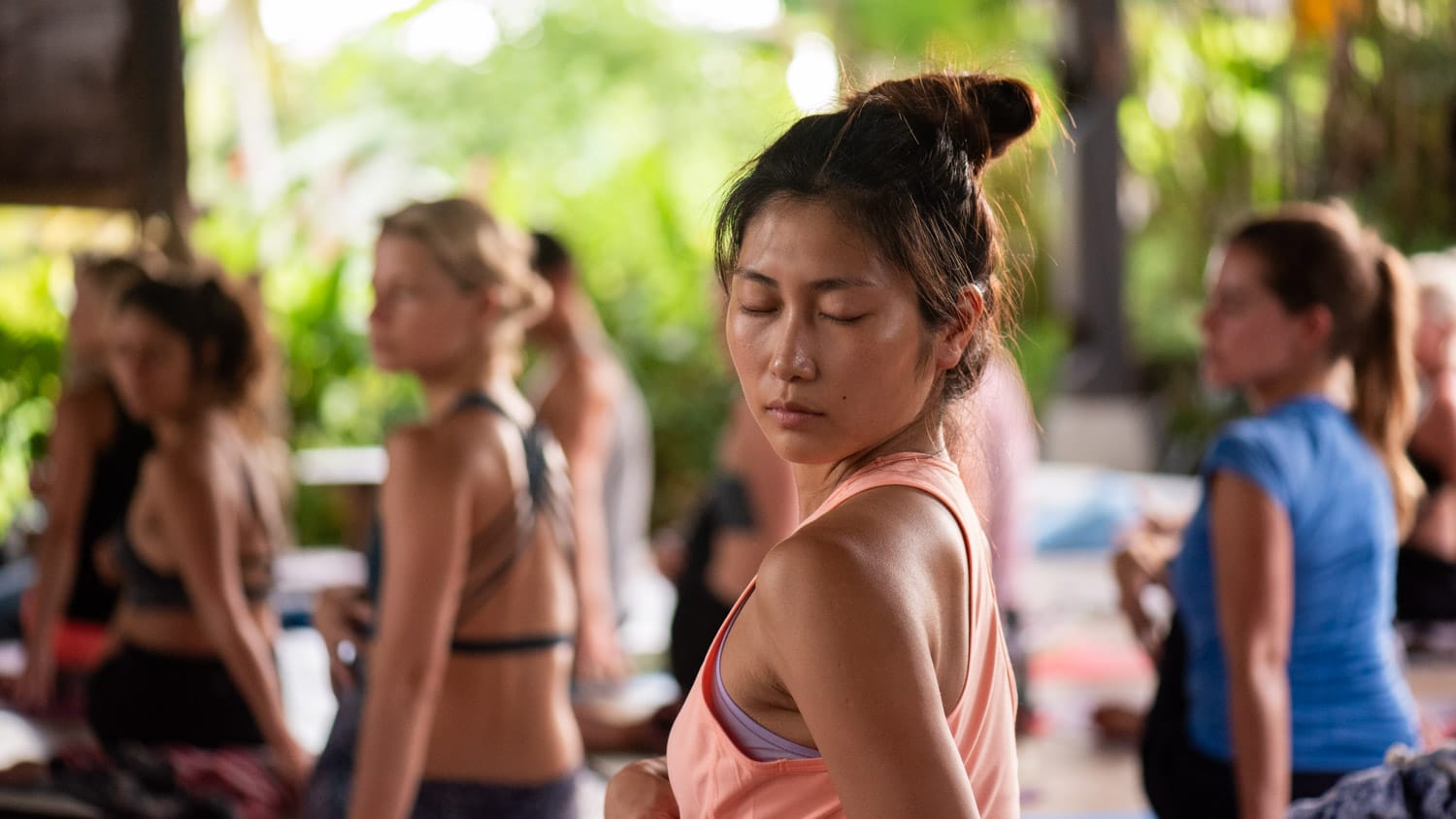

There is a common misunderstanding that a yoga teacher training is only for people who want to become yoga teachers. In reality, many people join a yoga teacher training with little or no intention of ever teaching a class. Some are simply curious. Some feel stuck and need a reset. Some want to understand yoga beyond physical practice. Others are searching for something they cannot quite name yet.
Interestingly, many graduates who never teach still describe their yoga teacher training as one of the most important experiences of their life. Not because it gave them a certificate, but because it changed the way they relate to themselves and the world around them.
Here are four ways a yoga teacher training might change your life, even if you never teach a single class.
1. You Learn How to Work With Your Nervous System
One of the strange things about modern education is that we spend years learning about the world around us, yet very little time learning about ourselves. We study mathematics, history, languages, technology, and professional skills, but few people ever receive practical education in how their own body and mind function under stress.
The consequence is that many people spend months, or even years, without recognizing the signs that their nervous system has become overloaded. We learn to accept poor sleep, persistent tension, digestive issues, difficulty concentrating, emotional reactivity, and a constant feeling of low energy as normal parts of modern life.
A quality yoga teacher training should provide a foundation in nervous system regulation. How does the nervous system function? What happens during periods of chronic stress? Why do some experiences leave us feeling energized while others leave us depleted? What is homeostasis, and why is it essential for wellbeing? Most importantly, what practical tools can help restore balance within the body and mind?
Understanding these mechanisms can be surprisingly empowering. When we understand what is happening inside us, we are no longer limited to simply enduring our experience. We can begin to work with it.
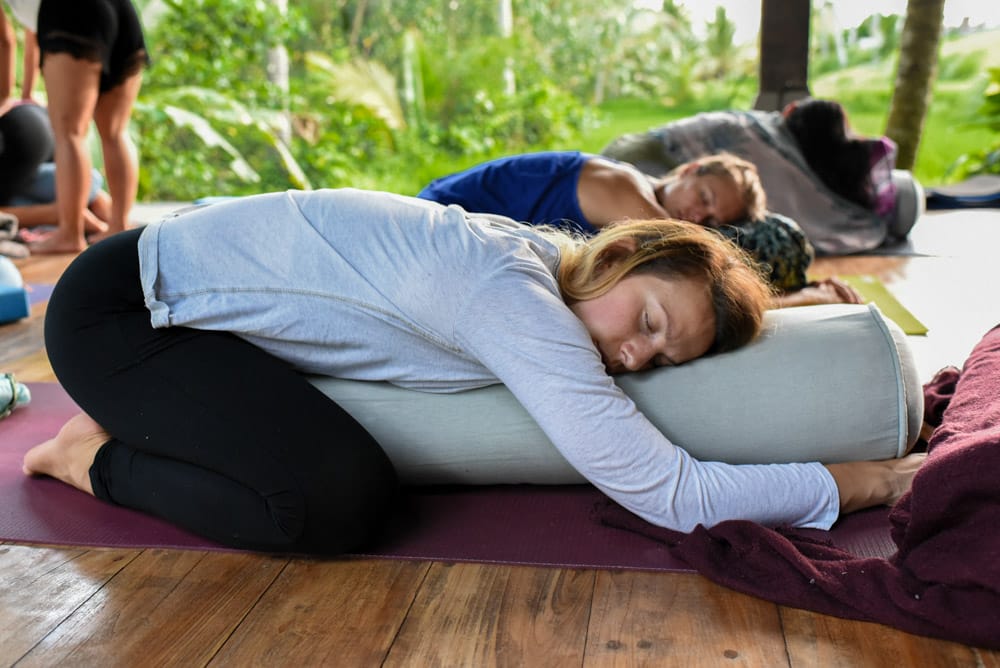
At Zuna Yoga, breath is at the centre of our approach. Breathing is one of the few physiological functions that operates both automatically and voluntarily, making it a unique bridge between body and mind. For this reason, it provides a powerful entry point for influencing the state of the nervous system. Throughout the training, we invite students to become more aware of their habitual breathing patterns and explore how breath can support greater balance, resilience, and self-awareness.
Rather than using movement simply to build strength or flexibility, the physical practice then becomes an opportunity for observing how we respond under pressure. What happens to the breath when effort increases? Do we tense unnecessarily? Become frustrated? Rush? Hold our breath?
Over time, students develop a more conscious relationship with their breathing and a greater ability to remain steady in the face of challenge. Many graduates tell us this understanding changed the way they relate to work, relationships, health, and everyday life.
2. You Train Your Attention
One of the first things people notice when they begin meditating is how difficult it can be to keep their attention in one place. A few breaths in and the mind is already planning tomorrow, replaying yesterday, or wandering somewhere else entirely. This realization can be humbling. Many of us assume we are directing our attention consciously, only to discover how much of our mental life runs on habit and momentum.
Yet very few people spend time training attention itself. This is one of the central aims of meditation. Beyond relaxation, meditation cultivates awareness. It helps us recognize where our attention is going and whether we are directing it intentionally or simply reacting to whatever captures it.
Why does this matter? Because attention shapes experience. It influences what we notice, what we remember, how we listen, how we learn, and how we respond to the people and situations around us.
Over time, this practice develops qualities that extend far beyond meditation itself. We become better able to focus on what matters, listen more carefully, remain present during difficult conversations, and notice emotional reactions before automatically acting on them.
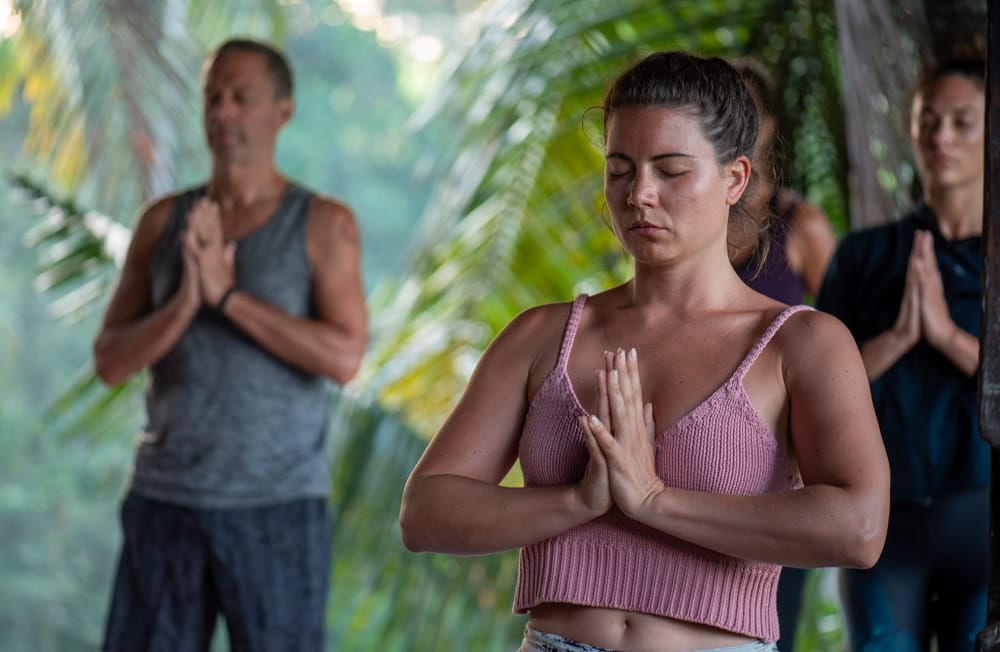
In a world where attention is constantly being pulled outward, there is something powerful about learning to engage in our life with more presence. For those interested in exploring meditation more deeply, this topic forms a central part of both our Foundations of Meditation program and our 300HR Meditation Teacher Training, where attention, awareness, and contemplative practice are explored in much greater depth.
3. You Begin to Know Yourself More Deeply
Education, career, relationships, responsibilities, financial goals. Life has a tendency to fill itself, and it is surprisingly easy to spend years moving from one objective to the next without ever stopping to ask where those objectives came from.
One of the most valuable aspects of an immersive yoga teacher training is that it interrupts this momentum. For a few weeks, participants are immersed in a different rhythm, shaped by practice, study, conversation, reflection, and time away from many of the usual distractions and demands. The pace slows down enough for us to notice things that are often overlooked in everyday life.
Most people arrive expecting to learn about yoga. And they do. Yet for many, the most meaningful part of the training has little to do with anatomy, philosophy, or postures. It comes from taking an honest look at themselves: How do I respond to challenge? What patterns keep repeating in my life? What gives me energy? What drains me? What values are guiding my decisions?
These questions sit at the heart of yoga. Within the Tantric tradition from which the Zuna Yoga® system emerges, self-knowledge is not pursued for its own sake. The purpose is not simply to understand ourselves better, but to live from that understanding. To make choices that reflect who we are and what we value.
Perhaps this is why so many graduates describe the experience as transformative even when they never go on to teach. Along the way, many discover that yoga was never intended to be limited to what happens on a mat. Beneath the physical practice lies a broader exploration of how we live, how we relate to ourselves and others, and how we choose to spend our lives.
4. You Might Find Your People
A yoga teacher training brings together people from different countries, professions, backgrounds, and stages of life. What they often share is a genuine curiosity about growth, wellbeing, and living more consciously.
Spending several weeks practicing, studying, sharing meals, and living together creates a very different kind of environment from everyday life. The conversations that emerge tend to be different as well. People speak about the things that genuinely matter to them. Their aspirations. Their struggles. The questions they have been carrying for years.
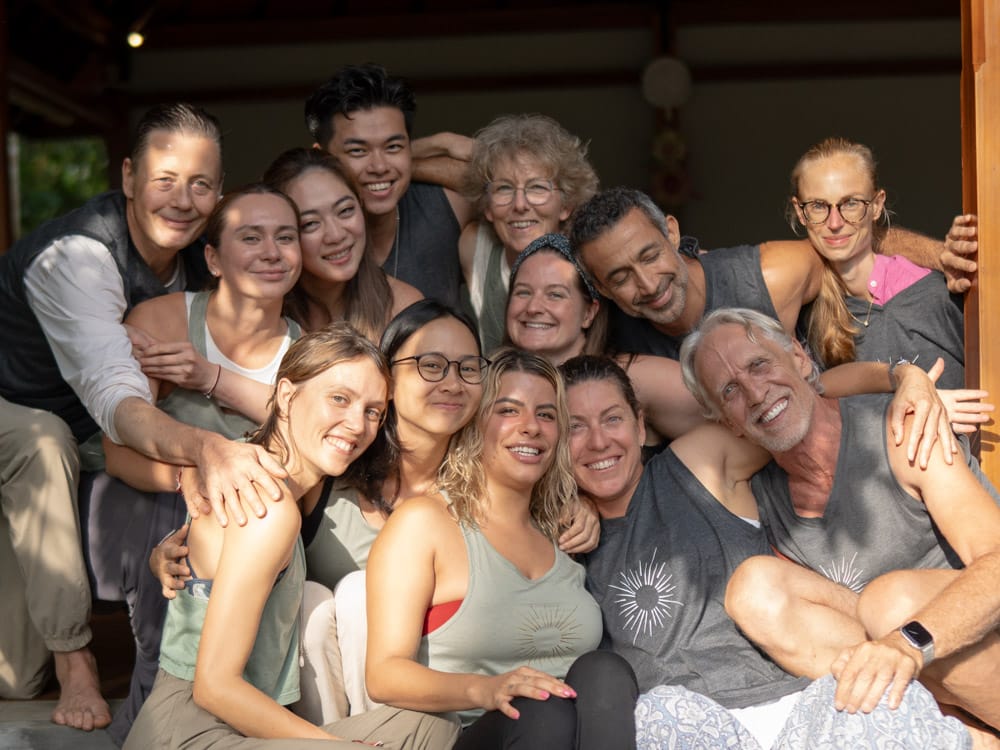
Over the years, one reflection has appeared again and again in student feedback. Many describe the training as the first place where they felt truly seen for who they are. Not for their profession, achievements, appearance, or the roles they play in life, but simply as themselves.
There is something powerful about being in an environment where people are encouraged to show up honestly, without needing to impress or fit a particular image. The result is often a sense of connection and acceptance that many people realize they have been missing.
Some friendships continue long after the training ends. Former students visit one another, collaborate on projects, attend future trainings together, or simply remain part of each other’s lives.
Many graduates tell us they came for the training, but left equally grateful for the people they met along the way.
Final Thoughts
So, should you do a yoga teacher training if you do not want to teach? Absolutely.
While some graduates go on to teach professionally, many never do. Yet they often describe the experience as one of the most meaningful investments they have made in themselves.
A yoga teacher training offers something increasingly rare in modern life: the opportunity to step away from the usual routines, dedicate time to your own growth, and explore what it means to live with greater awareness, intention, and connection.
For some, the greatest gift is a deeper understanding of yoga. For others, it is learning how to navigate stress more skillfully, finding meaningful friendships, or discovering a stronger sense of belonging. For many, it is simply a clearer understanding of who they are and how they want to live.
Whatever the outcome, the real value of a yoga teacher training is not found in the certificate at the end. It is found in the person you become through the process. And for many people, that journey begins long before they ever consider teaching.
Interested in exploring a yoga teacher training in Bali?
Explore our upcoming trainings and find the program that best supports your journey:
- 200HR Yoga Teacher Training
- 300HR Yoga Teacher Training
- 300HR Meditation Teacher Training
- 500HR Yoga Teacher Training
View Full Training Calendar –> HERE
