FIRST 5 SIGNUPS: SAVE $500 >
Our immersive 200 Hour Yoga Teacher Training in Bali brings posture, breathwork, meditation, philosophy, anatomy, and teaching practice together within one integrated education. Designed for aspiring teachers and dedicated practitioners, it gives you both the foundation to begin teaching and the space to deepen your own practice and understanding of yoga.
NOV 3 – 24, 2026
MAR 8 – 29, 2027
NOV 4 – 25, 2027
21 nights residential
Tabanan, Bali
15 students max
82 trainings since 2009
2,000+ graduates
The foundation of the training is learning to understand yoga as an integrated system rather than a collection of separate techniques. Through study and practice, you’ll see how posture, breath and attention shape one another, and how those relationships inform both your own practice and the way you teach.
Modern science is helping us understand more about how this experience influences the body and nervous system. Through somatic movement and conscious breath, you learn to listen more closely, refine embodied awareness, and develop a clearer connection to the body’s inherent intelligence. The result is a stronger foundation for personal practice, teaching, and continued growth beyond the training.
Zuna Yoga® sequencing is inspired by the same principles that animate the natural world. Nothing in nature moves by force. Power drawn from coordination is efficient, and it moves with fluidity and elegance. You’ll learn to move this way, and to confidently build classes that carry students through the same experience.
Through the integration of hatha yoga, tantra, somatics, and modern science, you’ll learn to apply bioenergetic principles to inform movement, support nervous system regulation, awaken the energies of the body, and deepen awareness of its inner intelligence. You’ll also learn to skillfully combine asana, bandha, breathwork, meditation, and theme into multilayered class experiences built on intelligent structure that supports energetic coherence.
Go beyond intellectual understanding by bringing what you learn into meaningful, embodied practice. As body, breath, and mind become more harmoniously aligned, yoga becomes more than something you do. It becomes a lived experience, one that can deepen presence and your connection to your own inner resources.
As your practice evolves, you begin to recognize the patterns that shape how you think, feel, and respond, while developing a clearer relationship with the wisdom and values that are uniquely your own. What you learn is no longer simply understood; it is experienced and embodied. Together, these experiences create the foundation for a sustainable practice that can continue to grow and support you well beyond the training.
The signature Zuna Yoga® Method integrates Hatha and Vinyasa within an intelligently structured somatic approach. You’ll learn to use movement not simply to create shapes, but to refine sensitivity to the body’s experience and explore how posture, breath, attention, and nervous system state influence one another. You’ll discover how effective this process is in developing greater strength, coordination, and embodied awareness.
Explore the science and practice of conscious breathing, alongside yoga’s understanding of prana, chakras, the vayus, and subtle anatomy. Through direct experience, you’ll learn how different breathing methods influence the nervous system and energetic state, and how breath can be integrated with posture and meditation to deepen the effects of the practice.
Explore accessible and effective meditation techniques designed to cultivate greater inner stillness, and deepen self-awareness. You’ll experience how meditation changes your relationship with thoughts, emotions, and distraction, while building a practice you can continue long after the training.
You’ll also learn how to guide meditation practices for others with confidence, understanding not only what to do, but why different techniques are used and how they can support different states of mind.
You’ll receive access to a comprehensive 20-hour online anatomy course, led by internationally renowned osteopath Rachel Ellery. This course guides you step by step through 10 chapters of yoga anatomy using a variety of learning modalities.
You’ll learn how the key systems of the body, including the nervous, respiratory, skeletal, and muscular systems, are connected and how yoga affects their function.
Explore alignment, energetics, modifications, and contraindications for foundational yoga postures to build a safe, intelligent, and adaptable practice.
As hands-on adjustments become less common in many yoga settings, we believe there is still real value in learning how to use touch skillfully, respectfully, and with clear consent.
You’ll learn to observe students carefully and offer supportive adjustments with skill and clear intention. Through hands-on practice, you’ll develop the ability to refine alignment, deepen embodied awareness, and help students experience postures with greater confidence and ease.
For a deeper look at why we continue to value this part of yoga teaching, read The Magic Power of Touch: Yoga Assists.
You’ll explore the elements of posture, breathwork, bandha, meditation, and theme to understand their effects on the physical, energetic, and emotional levels, the purpose each serves, and how to apply them with greater precision and for greater benefit.
Through practice and teaching, you’ll learn how to combine these elements into multilayered sequences that work beyond the physical to create coherent, transformational class experiences.
Teaching yoga is a form of public speaking, and for many people that can feel intimidating at first. But through our progressive teaching approach, you’ll expand your vocabulary, refine your verbal cues, and learn to use clear, concise, and purposeful language to guide movement, breath, and attention, building confidence through practice.
As you become more comfortable, you’ll begin to find your own voice as a teacher and communicate with greater clarity and authenticity. It’s an empowering experience, even if you don’t intend to teach.
You’ll have regular opportunities to put what you’re learning into practice by teaching one-to-one, in small groups, and in front of the full class. Through this progressive approach, you’ll become increasingly comfortable guiding others while refining the language you’ve learned, strengthening your presence and class delivery as you put the principles of sequencing into practice.
By the end of the training, you’ll have meaningful hands-on teaching experience rather than simply having studied how to teach. You’ll likely be surprised by just how much you’ve learned and grown.
Discover the roots and evolution of yoga, including the teachings and traditions of Patanjali, Tantra, Classical Yoga, and Hatha, and explore how their ideas and guidance remain relevant to life today.
Explore Ayurveda through the lens of constitution, lifestyle, balance, and purposeful living. You’ll be introduced to Samkhya philosophy as a way of understanding the unique expression of body and mind, including the strengths, tendencies, and potential challenges of your individual constitution.
We’ll also explore the purusharthas, the traditional aims of life, and how these ideas can help you consider how you live, what you value, and how to create greater balance and purpose in everyday life.
In many parts of the world, yoga teachers are entering an increasingly competitive market. Learning to recognize what makes your interests, strengths, and approach distinctive can help you find where you fit and who you’re best placed to serve.
You’ll explore creative and practical ways to communicate your talents and passions, connect with the right people and opportunities, and begin shaping a professional path that feels authentic and realistic.
Explore how yogic philosophy can inform the way we live, teach, and relate to others. We’ll look at ethical principles as something to be practiced rather than simply studied, and consider how they apply to responsibility, integrity, boundaries, and the role of a teacher.
Zuna Yoga® intelligently integrates breath, body, and intention within a training system grounded in traditional yoga and informed by modern science. Movement, breathwork, meditation, philosophy, and self-inquiry are taught as interconnected parts of one cohesive method rather than separate subjects.
Our approach begins with direct experience: you practice first, observe what changes in body, breath, attention, and energetic state, and then explore the philosophy and science that help you understand why. This experiential approach makes complex ideas tangible and gives you a clearer, more integrated understanding of yoga and its often abstract philosophical concepts.
Your 200 Hour Yoga Teacher Training is led by Zuna Yoga® founder Everett Newell and Dr. Marion Tharrey. Together, they bring decades of experience and education across yoga, meditation, teaching, martial arts, and scientific research.
Their combined perspectives reflect the way Zuna Yoga® teaches throughout the training: practice and inquiry, tradition and science, direct experience and understanding.

Zuna Yoga® Founder - ERYT500® / YACEP®
Everett brings the depth of long-term yogic study and practice that shaped the Zuna Yoga® Method, with particular emphasis on philosophy, meditation, breath, subtle energetics, and the practical application of traditional teachings.
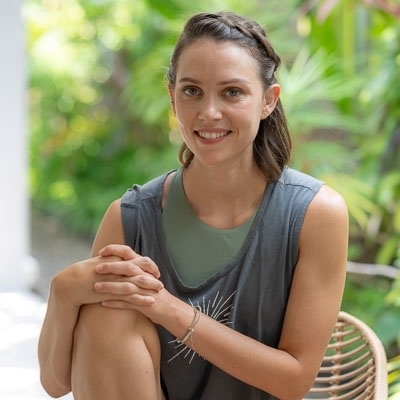
Zuna Yoga® Co-Director - ERYT200® / RYT500®
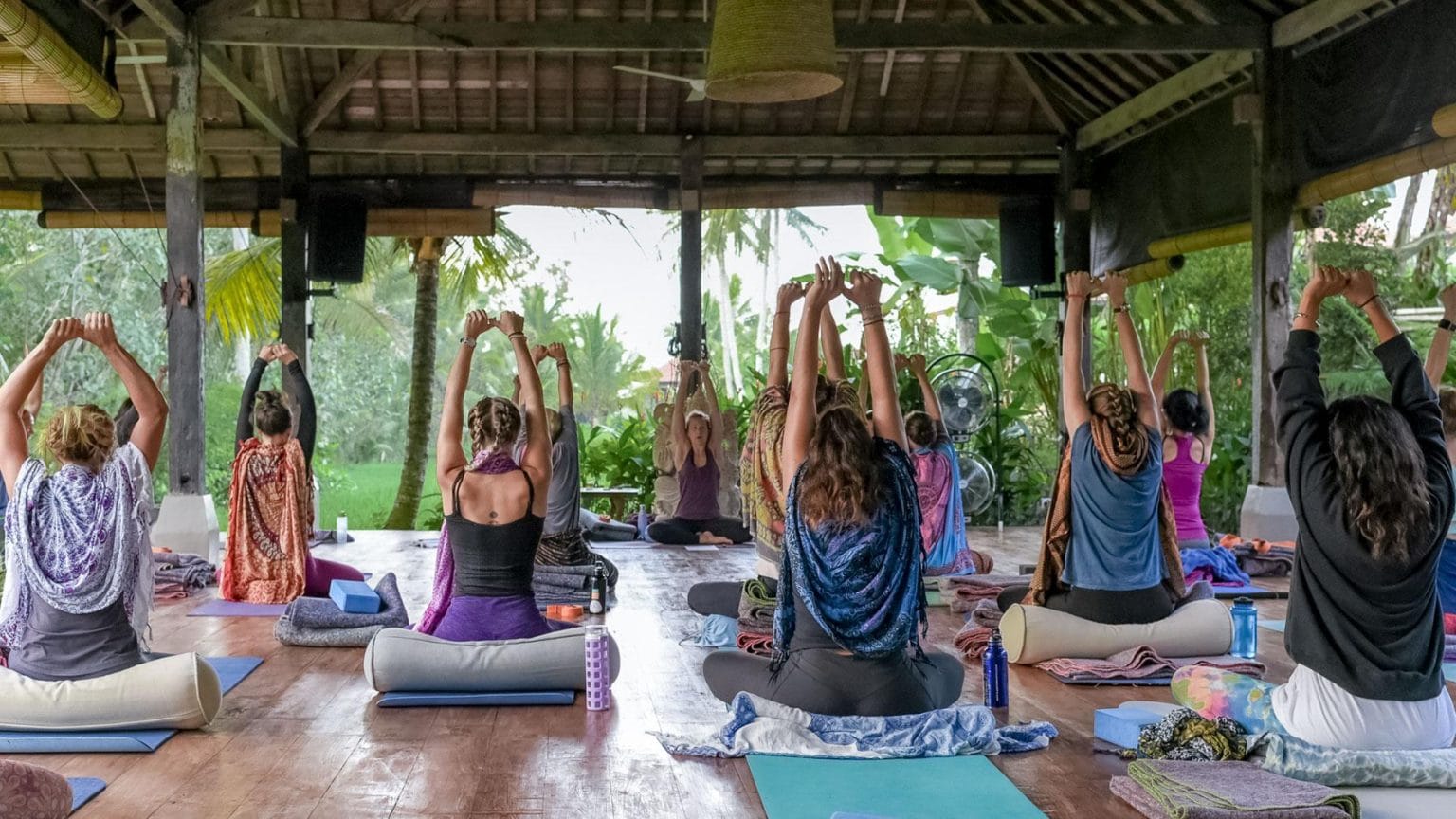
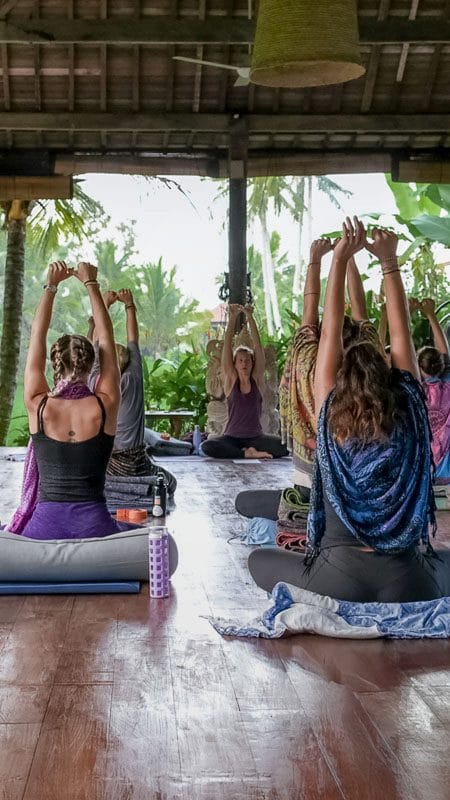
Your days begin in silence at sunrise, with a morning practice integrating asana, breathwork, and meditation. Silence continues through breakfast, followed by time to journal. Only then does the morning silence formally end and the group comes together to discuss the experience of the morning and any insights that arose. The order is deliberate. You practice, sit with it, write it down, and only then put it into words to be shared with others.
For the rest of the morning, lectures and practicums explore the material introduced through practice, drawing on yogic philosophy and modern science to deepen your understanding of what you’re experiencing and why. After lunch and time to rest and reflect, the afternoon brings posture labs, movement, teaching practice, and special workshops. Each day closes with sunset meditation.
There is one full day off each week, giving you time to rest, explore Bali, or simply step away from the training rhythm.
Zuna Yoga® is a Yoga Alliance Registered Yoga School (RYS 200 & RYS 300). To complete the 200 Hour program, students are required to participate fully in the training and successfully complete the required coursework, practice teaching, and written assignments.
Students have three months after the training to submit the required written assignments, including reflections on The Heart of Yoga by T.K.V. Desikachar and assignments based on the Zuna Yoga® training manual. Once all required work has been completed and reviewed, Zuna Yoga® issues your 200 Hour certificate of completion.
Successful completion meets the training requirement to apply for RYT 200 registration with Yoga Alliance. RYT 200 registration is completed directly with Yoga Alliance and is separate from your Zuna Yoga® certificate.
Our 200 Hour Yoga Teacher Training is designed for dedicated practitioners who are ready to deepen their understanding and experience of yoga, whether you intend to teach or simply want to take your own practice further.
This is not a course for absolute beginners. We recommend at least six months of regular yoga practice and a moderately good level of general fitness before joining. You don’t need to be an advanced practitioner, but you should be comfortable with a physically active training and familiar enough with yoga to follow a broad range of postures and practices safely.
More important than achieving difficult poses are maturity, curiosity, discipline, respect for your own limits, and a willingness to explore yoga beyond the physical practice.
You also don’t need to know yet whether you want to teach. Teaching practice is part of the training for everyone because learning to observe, communicate, and guide others deepens your own understanding as well as preparing you to teach if you choose to.
Learning something meaningful is one thing; carrying it back into the same routines and pressures is where it can easily get lost. Three weeks in a carefully structured immersion allows the learning to settle and gives you time to digest and reflect, until what was once esoteric and abstract resolves into something coherent and embodied. It’s no longer something you simply remember, but something you begin to live.
Not sure which Zuna Yoga® training is right for you? Explore our Yoga Teacher Training Pathways. Yoga Teacher Training in Bali >
When the body, breath and mind are cohesively aligned, you'll experience yoga as it was always meant to be, expressing your creative power with grace and fluidity.
- Everett Newell, founder of ZUNA YOGA®
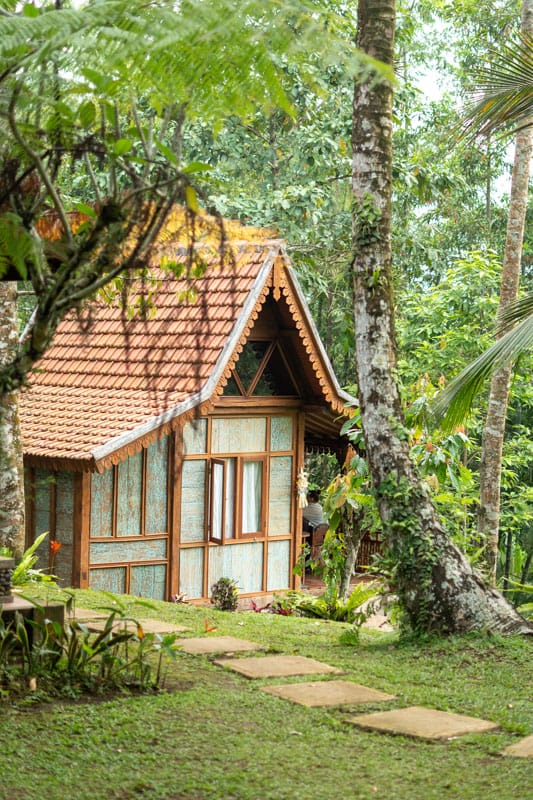
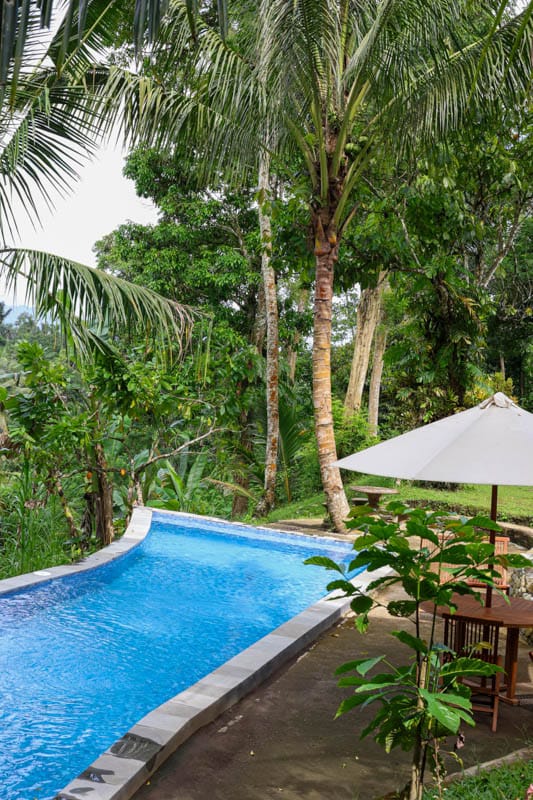
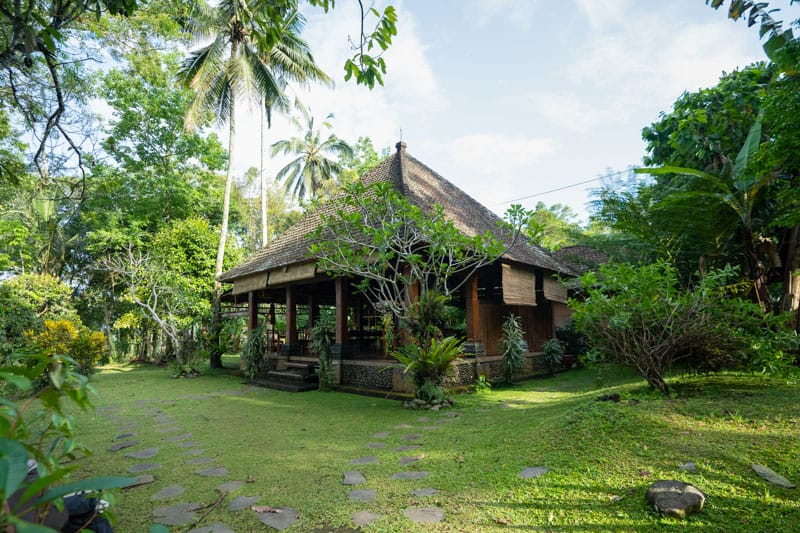
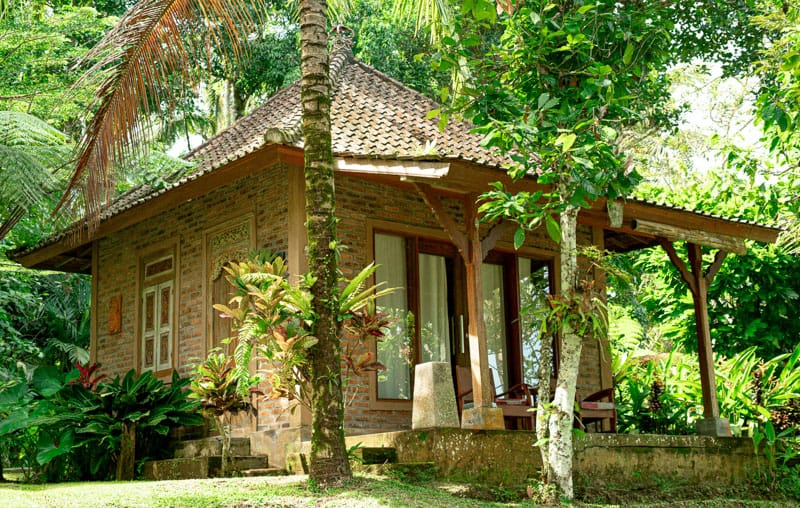
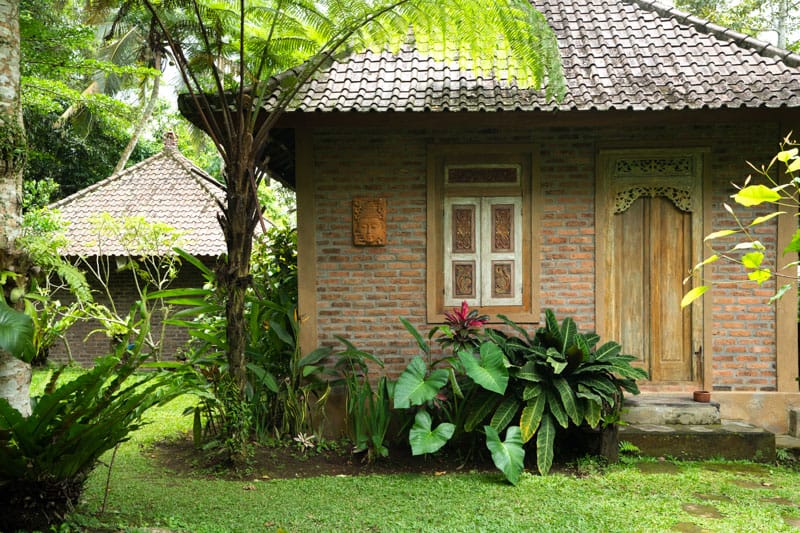
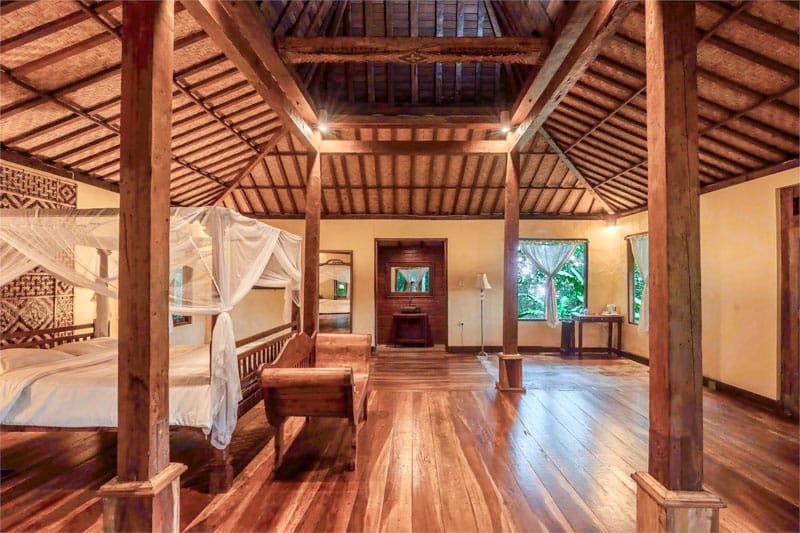
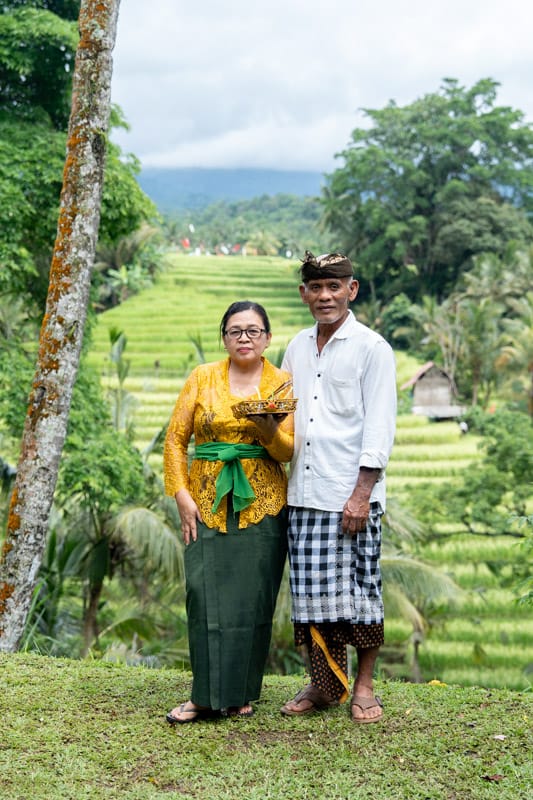
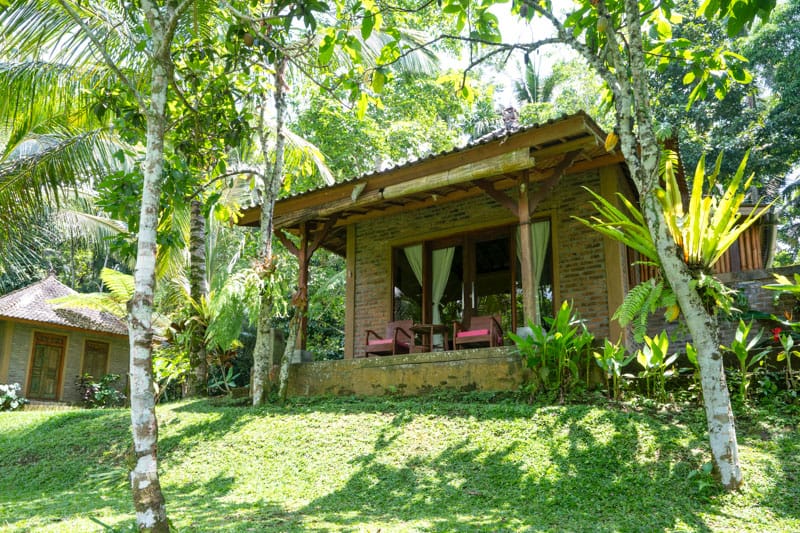
Your home for the 21 night training is Saridevi Ecolodge, our family-run retreat center in Wongaya Gede.
We are committed to sustainability through eco-friendly practices, local sourcing, and collaboration with the surrounding community.
For us, yoga extends beyond practice into how we live and care for the land and the community around us.
Our center offers:
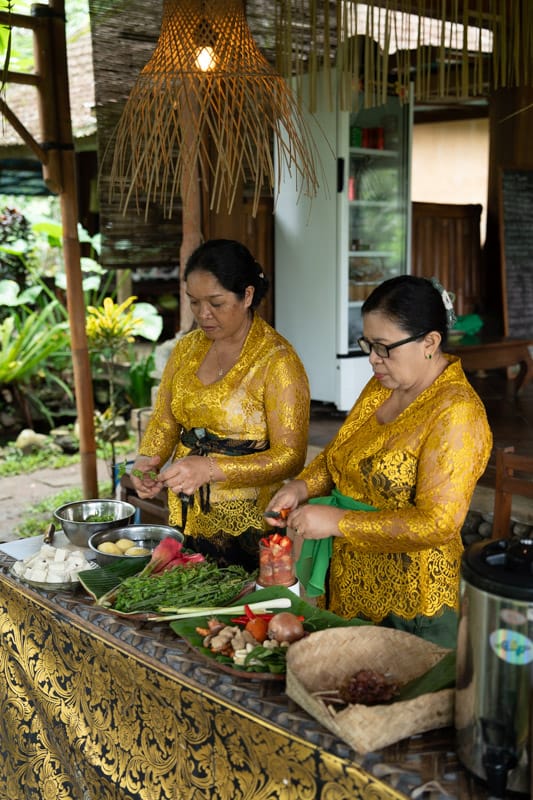
Meals are fresh, nutritious, and farm-to-table, with both vegetarian and non-vegetarian options available.
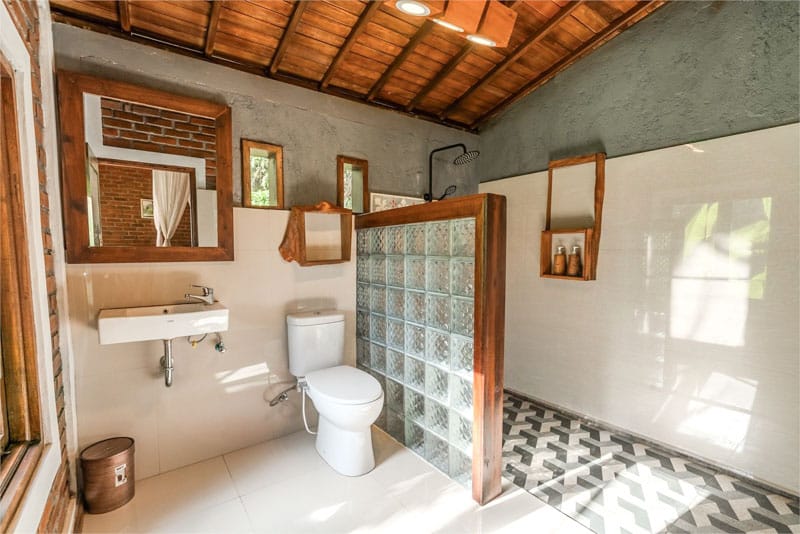
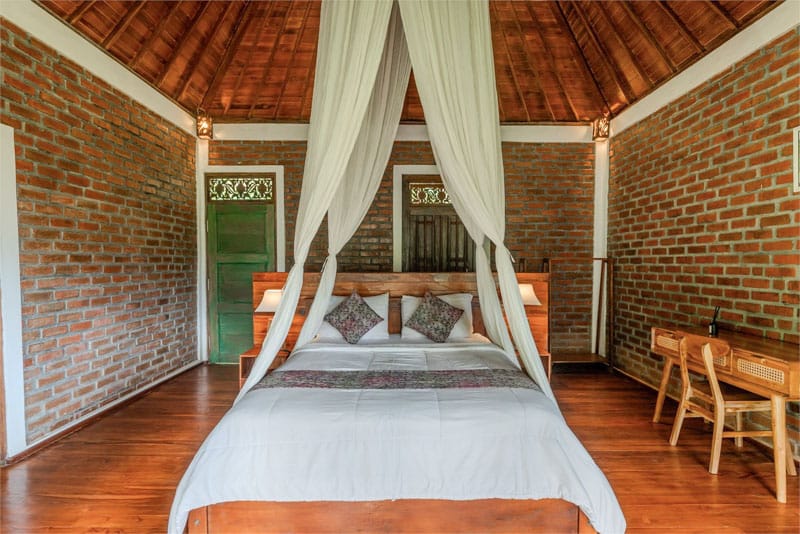
Rooms include daily cleaning, high quality bedding, drinking water, coffee and tea, towels and bathroom amenities, and free WiFi.
To ensure the highest quality experience for all participants, acceptance into all Zuna Yoga® programs is by application only.
*Pricing includes: all training and course materials, 400+ page manual, 21 nights accommodation, daily meals and refreshments, housekeeping, Wi-Fi, and filtered drinking water.
Vegetarian and vegan meals are available. Laundry service is available at additional cost.
We recommend around six months of regular yoga practice and a moderately good level of general fitness before joining. This isn’t a beginners’ course, and the days are physically active, so you should feel comfortable following a broad range of postures and practices safely.
You don’t need to be an advanced practitioner or be able to perform difficult poses. What matters more is maturity, curiosity, discipline, respect for your own limits, and a genuine interest in exploring yoga beyond the physical practice.
Acceptance is by application so we can make sure the training is a good fit for you before you commit.
Not everyone who joins the 200 Hour intends to teach. Many students come to deepen their own practice and understanding of yoga, unsure whether they’ll ever stand in front of a class.
Teaching practice is still an important part of the program for everyone. Learning to observe, communicate clearly, sequence intelligently, and guide others strengthens your own understanding and helps turn what you’re learning into something embodied rather than purely theoretical.
You may leave wanting to teach, or you may simply leave with a much stronger personal practice. Both are valid reasons to come.
After successfully completing the training and all required coursework, you’ll receive a 200 Hour Yoga Teacher Training certificate from Zuna Yoga®.
Zuna Yoga® is a Yoga Alliance Registered Yoga School (RYS 200 & RYS 300), and successful completion of our 200 Hour program meets the training requirement to apply for RYT 200 registration with Yoga Alliance. Your Zuna Yoga® certificate can also be presented to other professional yoga registries that recognize training completed through a Yoga Alliance Registered Yoga School.
Your Zuna Yoga® certificate and any professional registration are separate. Registration with Yoga Alliance or another professional body is completed directly with that organization.
Yes. Our 200 Hour Yoga Teacher Training is designed to give you the foundational knowledge, teaching skills, and practical experience needed to begin teaching yoga.
Throughout the program, you’ll practice teaching one-to-one, in small groups, and in front of the full class. You’ll learn how to structure and sequence classes, communicate clearly, guide posture and breath, and adapt your teaching to different students.
Once you’ve successfully completed the training and required coursework, you’ll receive your 200 Hour certificate from Zuna Yoga®. You can then begin teaching and, if you choose, apply for RYT 200 registration with Yoga Alliance or another professional registry that accepts training completed through a Yoga Alliance Registered Yoga School.
Individual studios, employers, and countries may have their own additional requirements, but the 200 Hour qualification is the standard foundational level for beginning a career as a yoga teacher.
Our 200 Hour Yoga Teacher Training is a three week, 21 night residential immersion in Bali, with training six days a week and one full day off each week.
200 Hour trainings can be structured very differently. Some spread the curriculum over four weeks with shorter days or more time off, while others compress the same number of hours into a much shorter period. After years of running residential teacher trainings, we’ve found that three weeks offers the right balance between depth, immersion, and efficient use of your time.
Training days generally run from 6:00am to 6:00pm, but they’re carefully structured to vary the type of learning throughout the day. You’ll move between asana, breathwork and meditation, lectures, workshops, teaching practice, practical study, and quieter periods of integration. This helps maintain energy and attention without spending too long sitting, moving, or concentrating on any one subject.
Many of our students travel a long way to train with us in Bali. We want the time you dedicate to the program to be used meaningfully, rather than unnecessarily extending the course when that time could become part of your own rest, travel, or extended stay in Bali.
At the same time, we don’t believe foundational teacher education should be rushed. Three weeks gives you the time to practice, revisit, teach, receive feedback, refine, and integrate what you’re learning, not simply accumulate 200 hours.
The days are full and the pace is steady. You’ll be practicing, studying, teaching, and absorbing new material daily, with time built in to rest, reflect, and integrate. It asks something of you, and that’s deliberate: the depth comes from the sustained attention rather than in spite of it. Most students find the intensity one of the most valuable parts of the experience.
Pricing for 200 hour yoga teacher trainings in Bali varies widely depending on the length of the training, accommodation, class size, what is included, and the experience of the faculty. Zuna Yoga offers three residential pricing options: $3,000 for Triple Share, $3,600 for Double Share, and $4,500 for a Deluxe Private room.
The fee includes 21 nights of residential training, three meals daily, an afternoon fruit snack, a 400 page training manual, welcome gifts, a maximum of 15 students, and a full three week immersion taught throughout by the same highly experienced core faculty.
Yes. During the 21 night 200 Hour Yoga Teacher Training, you’ll have one full day off each week.
Training days are full, generally from 6:00am to 6:00pm, but the schedule includes breaks and changes of pace throughout the day rather than continuous instruction.
Your three days off are completely yours. You can rest at the retreat center, explore Bali, or simply give yourself time to recover and absorb everything you’ve been learning.
Because the program is residential and meals and daily logistics are taken care of, the time outside scheduled sessions can actually be used for rest, personal time, and integration rather than commuting, shopping, cooking, or managing everyday responsibilities.
Our 200 Hour training isn’t designed to prepare you to teach only one fixed style. The Zuna Yoga® Method draws from Hatha and Vinyasa yoga, but the education is deliberately broad so you learn principles that can be adapted across different ways of teaching.
You’ll study alignment, movement, anatomy, breathwork, meditation, sequencing, energetics, modifications, language, and teaching methodology, with extensive opportunities to put those skills into practice. Rather than memorizing a single class format, you learn how to understand what you’re teaching, why you’re teaching it, and how to adapt it to different students and intentions.
That gives you a strong foundation for teaching a variety of Hatha- and Vinyasa-based classes and, just as importantly, for continuing to develop your own style and voice as a teacher.
Many students choose to spend additional time in Bali before or after the training, and the 21 night 200 Hour program fits within Indonesia’s standard 30-day Visa on Arrival for eligible nationalities.
At present, passport holders from many countries, including the United States and Australia, can obtain a 30-day Visa on Arrival or e-VoA, which can currently be extended once for an additional 30 days. Because immigration rules can change and requirements depend on your nationality and travel plans, we recommend checking the current official requirements before traveling.
Please check the country visa lists here, to see what visa regulation for Bali applies to you. Use the Visa Departure Calculator to make sure you don’t overstay your visa. Fines for overstay are around $75 per day.
Zuna Yoga® has long-standing relationships with experienced local visa agents who can assist students with obtaining or extending the appropriate visa. Contact us if you’d like more information or an introduction.
Many students use the opportunity to arrive a few days early, stay on after the course, or turn their trip to Bali into a longer period of travel and personal time.
Our 200 Hour training takes place at Saridevi Ecolodge in Wongaya Gede, Tabanan. Most international students fly into I Gusti Ngurah Rai International Airport (DPS) in Denpasar and travel from there by car to the retreat center.
Zuna Yoga can help arrange transportation directly to Saridevi. Before the training, we’ll send you detailed arrival information, including the exact location, recommended arrival time, and practical travel details so you can plan your journey comfortably.
You don’t need to commit to a full 500 Hour pathway when you begin your 200 Hour training. You can complete the 200 Hour as a standalone foundation and decide later whether you want to continue.
With Zuna Yoga®, there are two ways to build a 500 Hour education:
If you choose the yoga route, the advanced 300 Hour Yoga Teacher Training should follow a 200 Hour Yoga Teacher Training because it builds directly on those foundations. Your 300 Hour Yoga Teacher Training can be completed with Zuna Yoga® or with another eligible school.
The Zuna Yoga® 300 Hour Meditation Teacher Training is different. It can be taken either before or after the 200 Hour, so meditation can also be your first point of entry into Zuna Yoga®. You don’t need to commit to the full 500 Hour pathway in order to begin with meditation.
This means you can begin with the 200 Hour, begin with meditation, or plan a full 500 Hour education from the outset. You don’t have to decide the entire pathway before you start.
You don’t need to arrive knowing everything. The purpose of the training is to learn.
The most useful preparation is to maintain a regular yoga practice in the months leading up to the course so that your body is accustomed to consistent movement and practice. We recommend at least six months of regular yoga experience and a moderately good level of general fitness before joining.
There’s no need to master advanced postures beforehand. Come prepared to learn, receive feedback, respect your own limits, and participate fully in three weeks of intensive study and practice.
If possible, we also recommend arriving in Bali a day or two before the training begins. This gives you time to recover from travel, adjust to the climate and time zone, and arrive at the opening session rested rather than coming straight from a long international flight.